

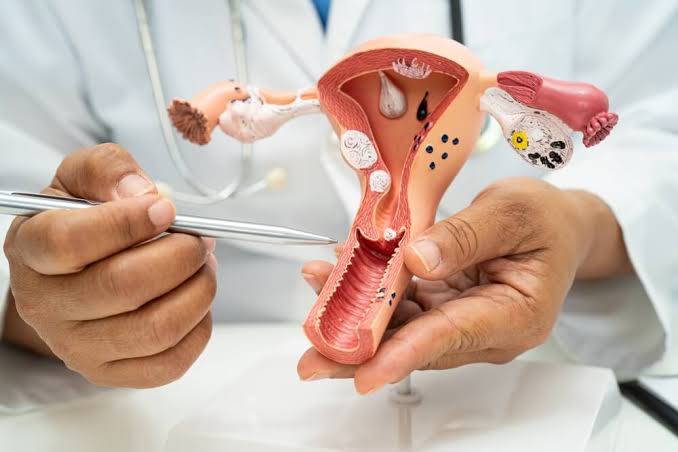
Finding out that your uterus is enlarged because of fibroids raises a set of questions that most women are not prepared for in the moment they receive the information. What does enlargement actually mean for daily life? Are fibroids dangerous? Will they keep growing? What are the options beyond surgery? Getting clear answers to these questions is the starting point for making informed decisions about treatment rather than feeling pushed toward one option without understanding the full picture.
How Fibroids Cause Uterine Enlargement
Uterine fibroids are noncancerous growths that develop within or on the wall of the uterus. They are made of muscle and fibrous tissue and can vary enormously in size, from a few millimeters to masses large enough to distort the shape of the abdomen. When fibroids grow within the uterine wall or on its outer surface, they add volume that causes the uterus to expand beyond its normal size.
A uterus without fibroids is roughly the size and shape of a small pear. A uterus with multiple large fibroids can grow to the size of a uterus at five, six, or even more months of pregnancy. This expansion is what causes the pelvic pressure, the visible abdominal changes, and the compression of adjacent organs that produce many of the symptoms women with significant fibroid burden experience.
The growth pattern of fibroids is variable and not fully predictable. Some fibroids remain stable for years. Others grow steadily during the reproductive years when estrogen levels are higher and then shrink after menopause when estrogen declines. The size and location of fibroids, as much as their number, determines how significant the symptoms are.
Symptoms That Come With Fibroid-Related Enlargement
Not every woman with fibroids and an enlarged uterus has significant symptoms, but when symptoms are present they tend to cluster in recognizable patterns. Heavy menstrual bleeding is among the most common, and the bleeding can be significant enough to soak through multiple pads or tampons in a short period, pass large clots, and cause iron deficiency anemia through cumulative blood loss over months. The fatigue, weakness, and shortness of breath that come with anemia are often what prompts women to seek evaluation after tolerating heavy periods for years.
Pelvic pressure and a feeling of fullness or heaviness in the lower abdomen are common when the uterus has enlarged substantially. Frequent urination occurs when the enlarged uterus presses on the bladder, reducing its capacity. Constipation or difficulty with bowel movements can occur when the uterus presses posteriorly against the rectum. Painful periods, pain during intercourse, and lower back pain that does not have a musculoskeletal explanation are also consistent with significant fibroid burden.
Treatment Options That Preserve the Uterus
The treatment landscape for uterine fibroids has changed significantly over the past two decades, and the choice is no longer primarily between medication management and hysterectomy. Minimally invasive options that treat the fibroids without removing the uterus are now available and appropriate for many women.
Uterine fibroid embolization is one of the most established minimally invasive treatments for fibroid-related uterine enlargement. The procedure works by blocking the blood supply to the fibroids through a catheter-based approach, causing them to shrink over the weeks and months following the procedure. USA Fibroid Centers specializes in this approach, and their resource on enlarged uterus with fibroids explains how the embolization process addresses fibroid burden while preserving the uterus, with a recovery period significantly shorter than surgical alternatives.
The procedure is performed under moderate sedation, typically takes under an hour, and most patients return to normal activities within one to two weeks. The uterus itself is preserved, and clinical outcomes in terms of symptom relief, including reduction in heavy bleeding and pelvic pressure, are well-documented in the medical literature.
Myomectomy, which surgically removes individual fibroids while leaving the uterus intact, is another uterus-preserving option. It is appropriate in specific situations, particularly when fibroid location or characteristics make embolization less suitable, but it carries the recovery burden of a surgical procedure and the possibility of fibroid recurrence.
When to Get Evaluated
Heavy periods that interfere with work, social activities, or daily function, pelvic symptoms that are persistent or worsening, or an imaging finding of uterine enlargement with fibroids are all reasons to consult a fibroid specialist rather than continuing to manage symptoms without a clear treatment plan. The earlier an evaluation happens, the more treatment options are available and the less cumulative physical toll the symptoms take in the interim.
