

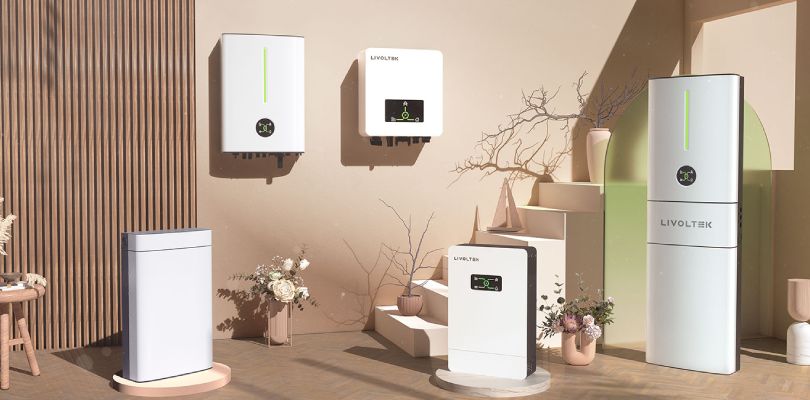
Most people who are shopping for a solar inverter aren’t exactly experts in the field. After all, how often do most of us need to buy an inverter? Because it’s such an uncommon purchase, it can be difficult to know exactly what you should look for. Knowing the most important factors in choosing the right inverter is important.
System Compatibility
One of the most important factors when buying a solar inverter is compatibility with the rest of your solar power system. Not all inverters work with every type of panel and electrical configuration. Before you buy, make sure the inverter is designed to work with your existing or planned system’s voltage and power output. If you’re using battery storage, confirm the inverter supports the type of battery you’re using (lithium-ion, lead-acid, etc.) and can properly manage charging and discharging. Additionally, make sure you’re buying a hybrid inverter, as these are necessary to handle both solar generation and battery storage while maintaining a grid connection. Choosing the wrong inverter will limit your system’s performance or require an expensive upgrade later.
Power Capacity and Efficiency
The inverter you choose should match the amount of power output of your solar array. Inverters are rated by their maximum output, measured in watts or kilowatts. A system with a 6 kW solar array, for example, will need an inverter capable of handling that output without being overloaded.
Efficiency is also very important. Solar inverters convert direct current (DC) electricity from your solar panels into alternating current (AC) used by your home. High-efficiency models convert more energy and waste less power as heat. Some inverters offer efficiencies of 95% to 98%, which can significantly improve your system’s overall performance over time. Be sure to pay attention to this number.
Monitoring and Smart Features
Many modern solar inverters come with built-in monitoring abilities. These systems allow you to track your solar production, real-time power output, performance, and energy usage through a mobile app or web portal. Monitoring tools can help you quickly detect issues like underperforming panels, overheating, wiring problems, or unexpected drops in energy production. Some inverters also integrate with smart home systems or energy management software, giving you better control over how solar energy is used in your home.
Durability and Warranty
Solar inverters are exposed to outdoor conditions and operate continuously, so durability is very important. Your inverter should be designed to handle outdoor conditions and temperature fluctuations if installed outside. You’ll also want to make sure it has a reliable warranty in case something goes wrong. Most manufacturers offer warranties between five and twelve years, with some offering coverage up to 20 years.
When sourcing wholesale solar inverters, these key factors can help you compare options and choose the right fit.
